
The Fine Print: Copyright Laws Every Novelist Should Know The Fine Print: Copyright Laws Every Novelist Should Know
Looking good isn’t just about putting on a clean shirt and taming your hair. Writers, like anyone sharpening their appearance, must also polish the fine print behind their work. A sleek haircut and pressed collar turn heads—but legal know-how protects your creativity. Imagine pouring your soul into a story, only to watch it get copied without a trace of credit. That’s what happens when authors ignore copyright basics. Just ask fans who’ve debated rosario tijeras in real life—a case where fiction and reality blur. The legal side of writing may not be glamorous, but it matters just as much as plot twists and poetic sentences.
What Copyright Actually Protects
Copyright law gives writers exclusive rights to their original works the moment they hit the page. It doesn’t matter if your story is published or scribbled in a notebook—the act of creation is what counts. That said, ideas themselves aren’t protected, only the way they’re expressed. So if you write a novel about a robot who finds love in space, someone else can still write their take on that theme. They just can’t steal your specific wording, characters, or scenes. This line is often blurry, and numerous lawsuits have been initiated due to vague similarities.
Why Registration Still Matters
 Even though your work is automatically protected, registering it adds a legal backbone. If someone steals your novel and you haven’t registered it, suing them can get messy. Registered work lets you claim statutory damages and legal fees, which could be the difference between justice and frustration.
The process isn’t expensive or time-consuming, but many writers skip it. That’s like walking into a bar fight with a pool noodle when there’s a bat in the corner. It’s your name on the line—protect it properly.
Fair Use Isn’t a Free Pass
Writers often quote lyrics, passages, or headlines without permission, assuming it falls under “fair use.” That’s a risky bet. Fair use is a defense, not a license, and judges decide if your usage qualifies. Factors include how much you used, whether it’s commercial, and whether it changes the original meaning. Quoting a sentence from a novel might be okay, but half a chapter? Probably not. When in doubt, ask permission or leave it out.
Pen Names, Ghostwriters, and Ownership Confusion
Authorship isn’t always straightforward. If you use a pen name, your legal rights stay the same—but how you register and sign contracts must reflect your real identity. Ghostwriters need contracts clarifying who owns the finished piece. Without that, both parties can end up claiming ownership. Co-writing adds another layer. Always get things in writing before creative partnerships turn into courtroom dramas. Legal protections are often the last thing on a novelist’s mind. But ignoring them is like locking the front door while leaving the windows wide open. Knowing your rights isn’t about paranoia—it’s about respect for your work and effort. Just as you’d iron a shirt before a big meeting, you need to smooth out your legal groundwork before publishing. Copyright law …

 When you’re injured on the job, it’s not just about physical recovery—it’s also about understanding what protections and benefits the law gives you. Many workers don’t realize that they have the right to compensation for medical expenses, lost wages, and sometimes even future earnings if the injury leads to long-term effects. Employers and insurance companies may not always be upfront about these rights, which is why it’s crucial to have someone in your corner who knows the system and can help you navigate it.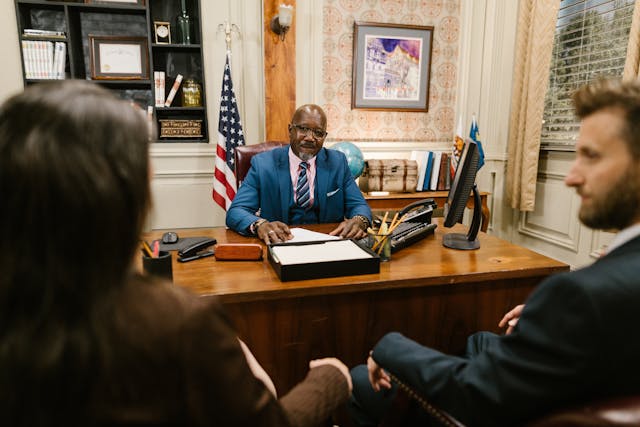
 Let’s talk results. In one case, a warehouse worker suffered a spinal injury after a fall. His employer’s insurance tried to deny responsibility, blaming “employee negligence.” With the help of a lawyer, not only was the claim approved, but the worker also received compensation for future physical therapy and partial disability. In another case, a machinist exposed to toxic fumes over several years developed a chronic lung condition. His
 One tip that many people forget is to seek the help of a lawyer when creating a will. If you are interested on getting one, wills and probate lawyers frankston are the best option. Lawyers are well-versed in the laws for estate planning and can help ensure that your will meets all legal requirements. Additionally, they can advise how best to protect your assets and ensure that your wishes are fulfilled after you die.
 The last tip is to ensure that your will is signed in the presence of two witnesses. Witnesses can attest that you were aware of what you were signing and that you did it voluntarily. These witnesses must be present at the time of signing, but they cannot be people named in the will or beneficiaries of any gifts contained in the will. When getting witnesses, choose ones who are reliable and knowledgeable about the contents of the will.